Doba Dropshipping Review 2026: Sourcing Products Made Simple
Affiliate disclosure: this article contains affiliate links. If you buy through them we may earn a commission at no extra cost to you. It does not influence our editorial assessment.
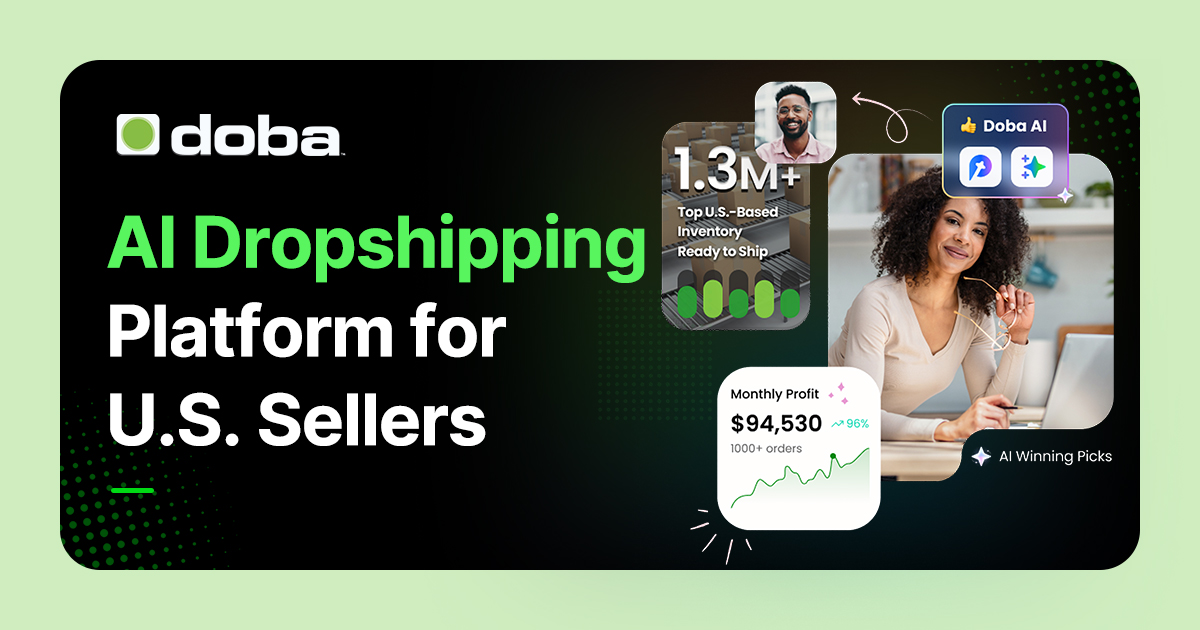
Doba is a dropshipping platform designed to connect online retailers with a wide range of wholesale products sourced from selected suppliers. It targets entrepreneurs and e-commerce businesses seeking to streamline product sourcing, inventory management, and order fulfillment without holding physical stock. According to the vendor, Doba centralizes product listings, enabling sellers to find best-selling items suitable for resale in one convenient place.
Dropshipping businesses rely heavily on the ability to quickly find and list products that appeal to their target customers. Doba’s platform simplifies this by aggregating millions of products from suppliers who have been vetted for reliability and product quality. This reduces the risk of selling low-quality products and helps sellers maintain customer satisfaction. The platform also provides tools to automate many of the manual processes involved in dropshipping, such as order forwarding and inventory syncing.
Whether just starting or scaling an existing online store, Doba offers a user-friendly interface designed to minimize the learning curve. As of the latest information, the service offers integrations with major e-commerce platforms, enabling sellers to directly push products to their storefronts and automate order fulfillment workflows. This level of automation is particularly beneficial for sellers managing large product catalogs or multiple sales channels.
What is Doba?
Doba is an all-in-one dropshipping marketplace that aggregates products from vetted suppliers into a single platform. Retailers can browse, list, and sell products without managing inventory or shipping logistics themselves. As of the latest information, Doba offers integration options with popular e-commerce platforms, facilitating automated order processing.
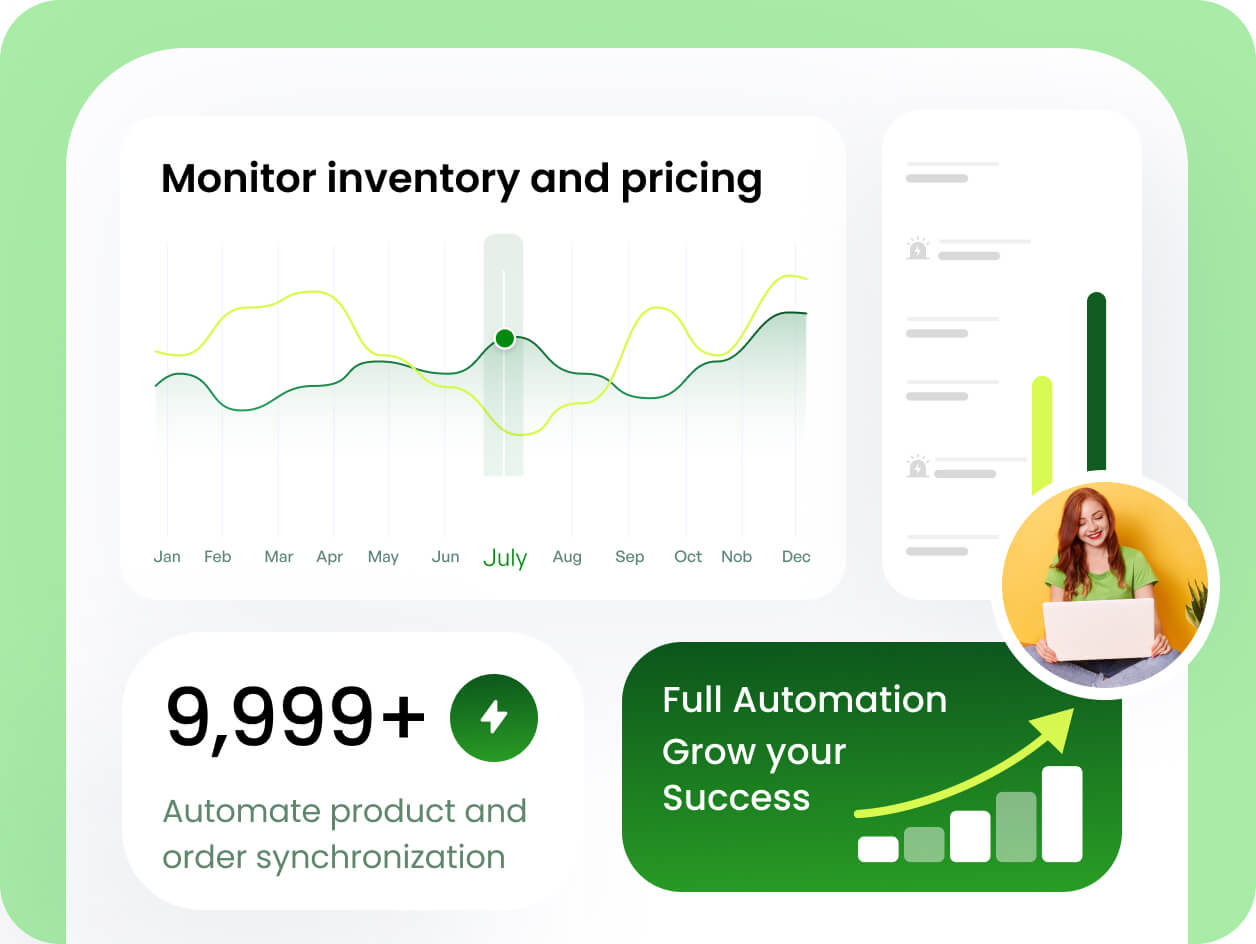
The platform acts as an intermediary, connecting online sellers with wholesale suppliers who maintain inventory and ship products directly to customers. This eliminates the need for sellers to purchase inventory upfront or manage warehousing. Doba’s approach helps reduce operational risk and upfront costs for sellers, which can be crucial for small businesses or startups.
Doba’s supplier network covers a wide range of product categories, including electronics, apparel, home goods, and more. The platform continuously updates product availability and pricing to ensure sellers have accurate information, which helps prevent issues like selling out-of-stock items or pricing discrepancies. According to the vendor, Doba also provides educational resources and customer support to assist sellers in navigating the dropshipping process.
By centralizing product sourcing, order management, and shipping tracking, Doba aims to streamline the entire dropshipping workflow. Sellers benefit from a unified dashboard where they can monitor sales, track shipments, and manage returns, reducing the complexity typically associated with handling multiple suppliers.
Key features
- Extensive Product Catalog: Access to millions of products from selected wholesale suppliers across various categories allows sellers to find trending and best-selling items quickly. This feature benefits sellers looking to diversify their inventory without negotiating with multiple suppliers individually.

- Supplier Verification: Doba partners with suppliers who have been vetted for reliability, product quality, and fulfillment efficiency. This helps reduce risks associated with dropshipping, such as delayed shipments or poor product standards, which can impact customer satisfaction.
- Order Management System: The platform provides a centralized dashboard where sellers can track orders from placement through delivery. This system offers real-time updates on inventory levels and shipping statuses, enabling sellers to respond promptly to customer inquiries and manage stock effectively.
- E-commerce Integrations: Doba supports integration with popular platforms like Shopify, WooCommerce, BigCommerce, and others. These integrations enable automated product imports, syncing inventory and pricing, and seamless order forwarding, reducing manual workload and errors.
- Bulk Product Import: Sellers can import multiple products into their online stores in bulk rather than individually, saving time and enabling faster store expansion. This is especially useful for sellers managing large catalogs or adding seasonal product lines.
- Price and Inventory Sync: Doba automatically updates product prices and inventory availability based on supplier data. This feature helps sellers avoid selling out-of-stock items or mispricing products, reducing the risk of customer dissatisfaction and order cancellations.
- Supplier Communication Tools: While Doba manages supplier relationships, sellers have access to communication channels to resolve issues or inquire about specific products, which helps maintain transparency and problem resolution.
- Educational Resources: According to Doba, the platform offers tutorials, guides, and customer support to help sellers optimize their dropshipping operations and understand best practices.
Pricing
Doba's pricing details are not fully disclosed publicly. Interested users are directed to see the official pricing page for current plans and subscription options. Pricing typically includes monthly fees that vary depending on the level of access to product catalogs and features.
The platform may offer different subscription tiers designed to accommodate businesses at various stages, from beginners to more advanced sellers needing access to premium features. Potential users should review the pricing structure carefully to ensure it aligns with their budget and business goals.
Because Doba charges subscription fees, sellers need to factor these costs into their profit margins. It is advisable to compare the value of the features offered against the monthly fees to determine overall cost-effectiveness.
Doba may also have options for additional services or premium support, which could affect total costs. Prospective users should inquire directly or consult the official pricing page for the most up-to-date and detailed plan descriptions.
Pros and cons
Pros:
- Wide selection of vetted suppliers ensures product reliability, reducing the risk of quality issues and late shipments.
- Centralized platform simplifies dropshipping logistics by consolidating product sourcing, order tracking, and inventory management.
- Integration with popular e-commerce platforms enables automated workflows, saving time and minimizing errors.
- Real-time inventory and price synchronization helps prevent overselling and incorrect pricing, improving customer experience.
- Bulk product import capability facilitates faster store expansion and easier management of large catalogs.
Cons:
- Pricing details require direct consultation, which may be a barrier for some users seeking upfront transparency.
- Supplier and product quality may vary despite vetting, so sellers should monitor reviews and performance continuously.
- Platform fees can impact profit margins for smaller sellers or those operating with tight budgets.
- Limited customization options in product listings compared to working directly with suppliers may restrict branding efforts.
- Some sellers may find the product selection less specialized compared to niche-focused suppliers.
Who should use it / who should not
Doba is well suited for entrepreneurs and small to medium-sized online retailers seeking a simplified dropshipping solution with access to vetted suppliers. It benefits those who prefer centralized product sourcing and automated order management to reduce operational overhead and complexity.

Sellers who are new to dropshipping or want to expand their product offerings quickly without negotiating with multiple suppliers will find Doba’s platform advantageous. Its integration capabilities make it ideal for those using popular e-commerce platforms who want to automate inventory syncing and order fulfillment.
Conversely, sellers requiring highly customized product sourcing or those with established supplier relationships might find Doba’s platform restrictive. Businesses targeting niche markets that require specialized or unique products might prefer direct supplier contacts or alternative platforms.
Additionally, businesses with tight budget constraints should carefully evaluate subscription costs and potential fees to ensure profitability. Those who prefer complete control over branding, packaging, and supplier relationships may find Doba less flexible than direct sourcing.
Alternatives to consider
- Spocket: Spocket emphasizes suppliers based in the US and EU, offering faster shipping times and localized products. It is suitable for sellers prioritizing delivery speed and quality control within these markets.
- SaleHoo: SaleHoo combines a supplier directory with market research tools, making it a good choice for beginners exploring dropshipping and wholesale sourcing. It offers a broad range of suppliers and educational resources.
- AliDropship: This platform integrates closely with AliExpress, providing automated product import and order fulfillment. It is popular among budget-conscious sellers who want access to a vast supplier network, though shipping times may be longer.
Each alternative has its own strengths and limitations, so sellers should assess their priorities such as supplier location, product variety, pricing, and automation features before deciding.
FAQ
Does Doba require a monthly subscription?
Yes, Doba operates on a subscription model with various plans tailored to different business needs. Users should consult the official pricing page for detailed information about plan options and features included.
Can I integrate Doba with Shopify?
According to Doba, it supports integration with Shopify as well as other major e-commerce platforms. This integration allows sellers to import products, sync inventory, and automate order processing directly from their Shopify stores.
Are suppliers on Doba verified?
Doba states that it partners with selected suppliers who have undergone a verification process to ensure reliability and quality. However, supplier performance can vary, so sellers are encouraged to monitor reviews and feedback.
Does Doba handle shipping?
Shipping is managed by the individual suppliers who fulfill the orders directly to customers. Doba provides tools to track orders and monitor shipping status, but the logistics are handled by the suppliers themselves.
Is there a free trial available?
Information about free trials is not clearly stated on Doba's official site. Prospective users interested in testing the platform should contact Doba’s customer service for the most current trial or demo options.
Can I customize product listings imported from Doba?
While Doba allows sellers to import products easily, customization options for listings may be limited compared to sourcing products directly from suppliers. Sellers should review the platform’s capabilities to ensure they can maintain their desired branding.
Verdict
Doba offers a comprehensive dropshipping platform that centralizes product sourcing from selected suppliers, making it a practical option for online sellers seeking efficiency and automation. Its extensive product catalog, supplier verification, and e-commerce integrations support streamlined operations that reduce manual tasks.
The platform is particularly suitable for entrepreneurs and small to medium-sized businesses looking to expand their product offerings without managing inventory or shipping logistics. However, sellers should carefully consider subscription costs and evaluate whether the platform’s features align with their specific sourcing and branding needs.
Overall, Doba provides a solid solution for those wanting to simplify dropshipping workflows through a centralized, vetted supplier marketplace integrated with popular online store platforms.